

Ivan's Story
Living with CKD
Hear from Ivan as he shares his story of being diagnosed with chronic kidney disease, what life was like on dialysis, the challenges of managing phosphorus, and what it was like to finally receive a kidney transplant.
Chronic kidney disease (CKD) is the progressive deterioration of kidney function. Current management of kidney disease includes dialysis as a means to filter toxins from the blood once the kidneys have failed. A vast majority of patients with CKD on dialysis experience hyperphosphatemia, or abnormally elevated levels of phosphorous in their blood.
Ivan was first diagnosed with kidney disease and put on dialysis at the age of 10. Two years later, he received a kidney transplant. However, at the age of 22, Ivan started experiencing symptoms once again. His transplant had failed, and Ivan found himself back on dialysis.
“I knew the symptoms. I knew what was going on,” Ivan explains. “Fluid just starts to build up in your body, and some of it in your lungs. It makes it a little hard to breathe. Legs swell. It affects your vision. Toxins start to build up in your body since your kidneys are not flushing things out.”
“In the beginning, there was a lot of, ‘why me,’ a lot of anger, a lot of sadness. Then, eventually, you get to that point where you, you know, strap on those boots, and decide, ‘okay, I’m going to fight this thing. I’m going to stick around.’”
Ivan was quite familiar with life on dialysis and knew that it would require a lot of discipline.
“You have to manage your time, your energy,” he shares. “You know that three days a week, you got to lose to dialysis. So, you plan things for the four remaining days that you have.”
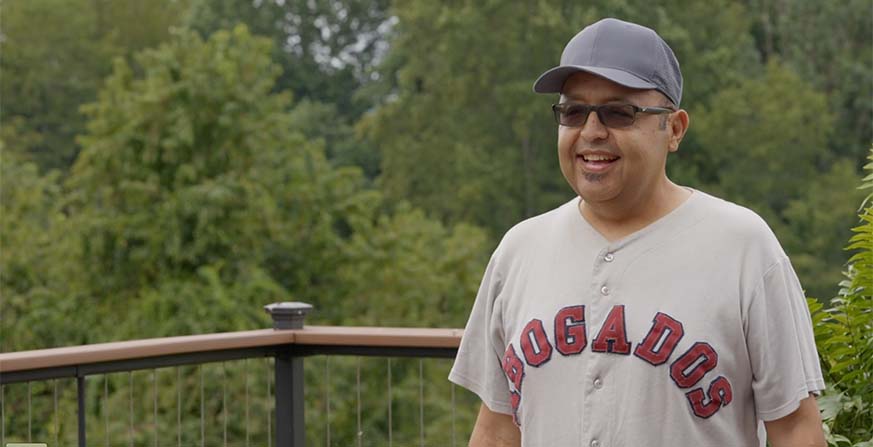
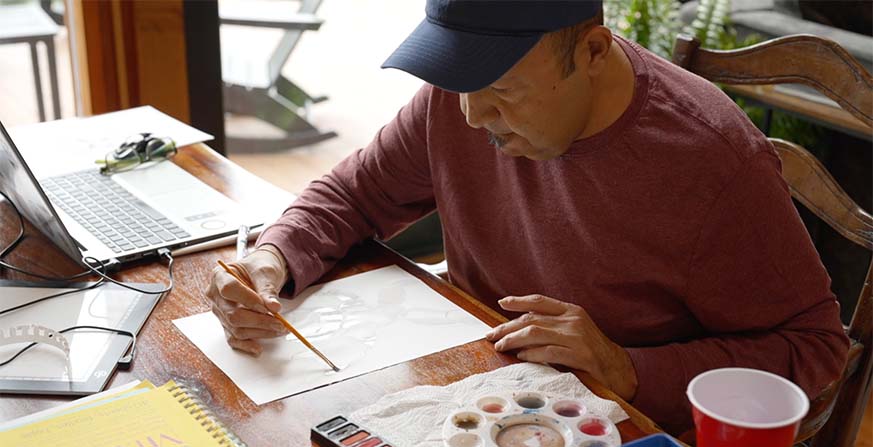
Like many CKD patients on dialysis, Ivan also found himself having to manage his phosphorus levels. “You need to control that phosphorus intake,” he emphasizes. “And if prescribed medicine to help control it, take that medicine.”
Ivan would experience early side effects of high phosphorus such as dry skin, describing it as a burning and painful itch. However, he was committed to controlling his phosphorus. A large part of that included adjusting his diet.
He shares, “Part of a balanced diet of being a New Yorker is pizza. When you’re on dialysis, you have to watch both your potassium and your phosphorus. Tomatoes are high in potassium. Cheese is high in phosphorus. Well, what’s in the pizza? Also, being Hispanic, corn, tomato, beans are a big part of our diet. Those things I mentioned are high in both potassium and phosphorus. So, it’s a way the diet is affected by, well, culture or tradition.”
Despite the challenges of life with CKD, Ivan stayed focused on doing what was needed to take care of himself, putting him in the best position possible for another transplant.
“The transplant hospitals, they want to see that you’re doing your best to manage your illness, that you’re taking your medicine, and you’re watching your restrictions,” he says. “Because they want to make sure that they’re giving a kidney to somebody that’s going to take care of it.”
When the call finally came, Ivan and his wife were ready. “I think me and my wife were both shaking a little bit,” he recalls “We compared it to having a baby. You have your go bag ready to go by the door. So, we got the call. They told us this was a good match, and we just grabbed our bags and go.”
Today, Ivan is enjoying freedom that his transplant has brought. He shares, “I’ve had this kidney now just a little over a year and a half. And the reality of maybe, possibly, traveling overseas is becoming, you know, more real. Something I had imagined for decades at this point.”

Commitment to Patients
We believe in working closely with patients and their caregivers, listening to their needs and insights, and setting new standards in product innovation and community engagement.

Chronic Kidney Disease with Hyperphosphatemia
Hyperphosphatemia is a serious condition that is estimated to affect the vast majority of patients with chronic kidney disease on dialysis.
US-COR-0071v6